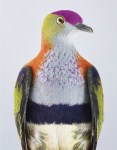
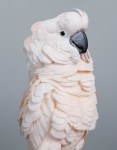
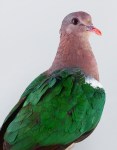
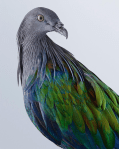
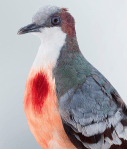
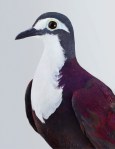
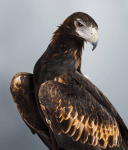
Photographer Leila Jeffreys doesn’t just take stunning photographs of beautiful birds, she captures their unique personalities revealing the different ways in which each one is a superbirb.
Jeffreys has an upcoming exhibition of her portraits titled Ornithurae Volume 1 at Olsen Gruin Gallery in New York City on October 13. The exhibition will run through November 12, 2017.
Follow Leila Jeffreys on Instagram to keep up with her latest awesome bird portraits as well as delightful behind the scene shots like this:
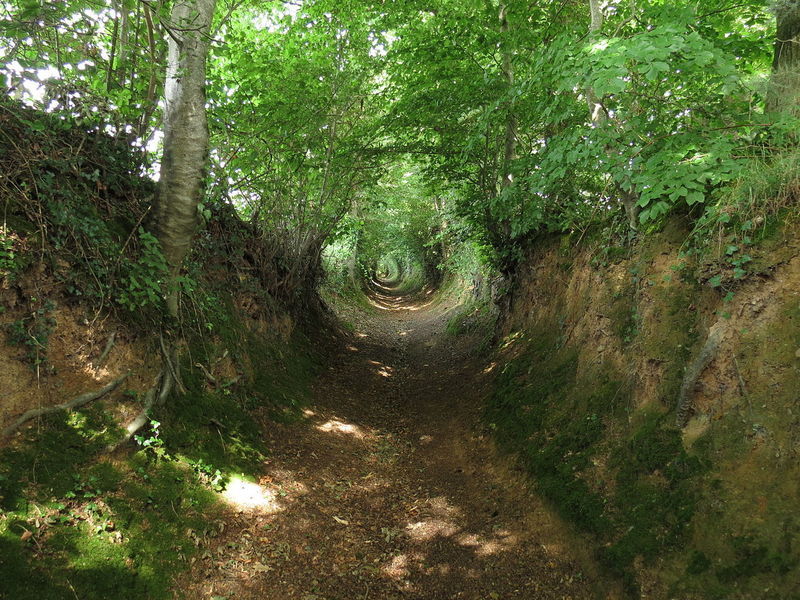
Appearing like trenches dragged into the earth, sunken lanes,
also called hollow-ways or holloways, are centuries-old thoroughfares
worn down by the traffic of time. They’re one of the few examples of
human-made infrastructure still serving its original purpose, although
many who walk through holloways don’t realize they’re retracing
ancient steps.
I love animals that are, like, the opposite of cryptids: we know for a fact they exist and have a clear idea of what they look like because we have photographs and individual specimens, but we haven’t the faintest idea where they’re coming from – they just keep showing up out of nowhere, and the locations of their actual population centres are a complete mystery.
I so want examples. anyone who knows of any should post them in notes
You know, like giant squid and such. We know the bastards exist, we have credible first-hand accounts stretching back thousands of years and dead specimens washed up on shore and such, but in centuries of searching we’ve managed exactly one well-documented encounter with a giant squid in its natural habitat. We have no idea what their native range is or what their life-cycle looks like, let alone how many of them are out there.
Are there any reverse-cryptids that /aren’t/ at the bottom of the ocean?
The red-crested tree rat, for one. There have been only three well-documented encounters since 1898, and they just plain disappeared from the zoological record for over a century. The only reason we know they’re not extinct is that one walked right up to a couple of wildlife research interns at a Columbian nature reserve back in 2011, evidently out of pure curiosity, and allowed itself to be photographed and observed for several minutes before disappearing again.




 Archive