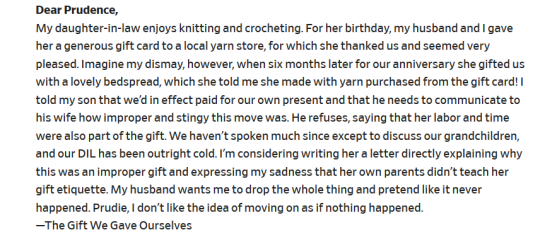
Imagine typing out this letter and not stopping halfway and thinking “Hmmm, this makes me sound like the worst human being in the world.”
Holy fucking shit
For those who wanted the response:
“But nothing did happen. You received a thoughtful gift that cost more time than money. That’s it! If someone gives you a present you don’t like, you smile and say, “Thanks, how thoughtful,” and then stash it in the back of your closet. You don’t ask your kid to complain to the gift-giver via backchannel. It’s fine if you like to give expensive presents—and can afford to do so—but that’s not the only way to show someone that you care. Even if you don’t like knitwear, your daughter-in-law spent countless hours over the course of a half-year working on something very detailed for you, and you say yourself it was a lovely bedspread. Whether she got the yarn with the gift card you gave her or spent her own money is beside the point; you’re acting as if she re-gifted something when that clearly wasn’t the case. Your daughter-in-law’s gift was thoughtful and intricate; yours was financially generous and relatively generic. There would be no reason to compare the two if you hadn’t insisted on doing so in the first place.
You are grown adults with plenty of money; if there’s something you want for yourself, go ahead and buy it—this kind of petty scorekeeping around gift-giving is barely excusable when little children do it. Writing her a letter to express “sadness” that her own parents didn’t teach her proper etiquette would be wildly inappropriate, out of line, and an unnecessary nuclear option. And it’s a guaranteed ticket to make sure you see and hear about your grandchildren way less than you do now. You still have time to salvage this relationship—don’t die on this hill. Let it go, apologize for your churlishness, and take yourself shopping if you want a pricey gift this year.”
Superheroes that are like “if we kill them we’re just as bad as they are uwu” ? Micro dick energy
The only exception is Aang, whose whole “I’m not gonna kill him if i can find another way” thing is less false moral equivalency and more “I’m twelve and I have been through way too much bullshit this year to add ‘commit my first murder’ to the list.”
I do respect superheroes who don’t kill, and I really think “we’re as bad as they are if we do it” is a terrible oversimplification of why someone would come to that moral conclusion.
Three reasons why a hero might not kill:
1. They are not granted by their society a “licence to kill.” Many (not all) people accept that a soldier or a judge might need to kill a wrongdoer in the course of their duties. Those people (should) act under strict rules and processes to determine when a death is just. A society, to be peaceful, usually functions under a guarantee that people won’t on their own judgement decide to off people. Vigilantes don’t usually have state-sanctioned authority, but they do rely on public goodwill to be counted as heroes and not menaces or even villains. A hero, especially an independent, self-proclaimed one, may lack the authority or judgement to serve as executioner. Most just societies require a trial before delivering a sentence.
2. They don’t need to. Paradoxically, or maybe not so much so, the stronger a hero is, the less they need to kill. One of the most common defenses for a murder is “self defense,” the idea that the person making the plea was in so much danger from the deceased that killing them was justifiable. But once you’re a swordsman swift enough to cut bullets or a muscleman strong enough to lift trucks, who’s that big a threat? As your control over your power and your ability to master an opponent both increase (and barring completely wild or uncontrolled abilities, these two are very linked) the easier it becomes to hold back, to subdue with the minimal amount of damage and to render even the worst villains neutralized without going nuclear.
3. The power to kill is bad for their mental health.Not everyone can perform even a “just” killing with a clean conscience. A hero might fear the trauma of killing, and seek to avoid the damage. Or a hero might introspect, and realize that, should they kill today, tomorrow the choice will be easier. Killing an opponent, rather than subduing them, is often the easy way out, and a hero who comes to rely on that solution might find themselves killing more and more, Even if killing isn’t addictive, a hero might still fear that mindset.
Now, a common version of this problem is Batman, who wouldn’t kill the Joker even if the Joker is at maximum edge, dealing out huge terrorist acts and body counts. The best reason for Batman not to kill him isn’t “I am as bad as the Joker if I kill,” but more, “I am a man who uses superheroism as a trauma coping mechanism, and if I start committing extrajudicial killings my mental state and my loose alliance with the police will both deteriorate.”
THANK. YOU.
The thing is, the “no killing” rule often gets basterized by writers who don’t understand it. That’s especially prelivant with Batman and his extended family.
Batman’s refusal to kill the Joker after Jason’s death for exampel was originally due to the fact that Bruce was extremly unstable and would have completly snapped. Yet people seem under the impression that this meant Batman had some kind of delusional attachment to the Joker and that’s why he kept him alive.
So now Batman’s refusal to kill people is spawned from some false sense of justice more often then not rather then him being literally traumatized by the idea of losing controll over himself.
Damian is a similar case where his “no killing” rule is part of his unlearning process and to prevent his ptsd from being triggered. He keeps this rule not because of some sort of idealism but because it is a necessary boundary to both keep the trust of his support system and to keep his own mental health in check. However a lot of writers seem to not understand that either and believe that Damian would activly kill if given the choice to do so.
So rather then characters who refuse to kill being the issue, it’s writers who misunderstand the reason behind them not killing and push harmful, victim blaiming agendas with it.
I feel like sometimes people on Tumblr overlook the importance of personal philosophies and codes of ethics for individuals, with this belief that everyone must conform to some radical leftist ethos or something. The person talking about Aang is really oversimplifying his motives. Aang is a Buddhist and it’s a huge aspect of his character. An important aspect of Buddhism is never killing others, which even includes vegetarianism. All life is precious. Part of Aang’s whole philosophy and outlook on life is nonviolence.
And consider Kenshin from Rurouni Kenshin and Vash from Trigun. Both live in extremely violent societies: Kenshin is a former samurai who used to kill with impunity and Vash lives in a sci-fi version of the Wild West. By rejecting killing outright, these characters have a particular approach to promoting peace in their respective settings. Their histories of killing others also tie into it, but they also are up against enemies who place very little value in human life. The point isn’t so much “killing makes me as bad as you” but rather “unlike you, I value human life, and killing is against my code of ethics.”
Consider the rejection of the death penalty as another example. A horrible person may deserve to be punished and may have taken many innocent lives, but some would argue that killing is in and of itself wrong regardless.
Just because a character values human life and morally opposes killing doesn’t mean they think their enemies are redeemable or that killing their enemy is an act of the same “badness” as their enemies’ actions. There are many valid reasons people choose not to kill or harm others. Striving for peace and nonviolence in no way makes you weak or “problematic.”
Asexual stories need to be told, so when BBC3 got in touch and told me that they wanted to cover the UK Asexuality Conference 2018 as part of a documentary on asexuality, I was excited to say the least. I would be speaking on two panels at the conference, providing some representation for Black aromantic asexual women. After coming out publicly as asexual last year, I have tried to use the platform I gained through fashion modelling to raise awareness for asexuality, so this opportunity was a perfect fit.
BBC3 were there from start to finish, filming the diverse display of asexual people I’ve ever seen. There were people from all walks of life – there were married asexuals, asexuals with children, transgender asexuals, Muslim asexuals, asexual people with disabilities, polyamorous asexuals, homoromantic asexuals, aromantic asexuals, teenage asexuals, and older asexuals. You name it, they were welcome and included.
We were filmed as we told our stories, such a powerful array of stories – some rocky, some smooth, but all equally empowering. BBC3 took a group of us aside for an in-depth group interview. The group was predominantly young and white, but it represented different types of asexuality and asexual experiences. But I soon realised that BBC weren’t interested in diverse experiences… They wanted the ‘lonely asexual’ trope.
When we sounded too positive, they were quick to put us in our place. They turned away from those of us who were happily aromantic, or happily in relationships, and drilled the singles for details about how it felt to be an unloved asexual who couldn’t find a partner. It seemed to displease them that some of us had even – god forbid – had sex and not hated every second of it. Quickly, they turned away from a guy who fit that category, rotated the camera to me, and asked, “If you had to have sex, how would that feel?”
“I wouldn’t have sex,” I answered.
“But if you had to, how would it feel?”
How would it feel if I was forced to have sex? Would a hypothetical rape make an aromantic asexual more interesting?
From then on, I sensed that BBC3 had an angle that they were sticking to, but I couldn’t have anticipated the patronising, whitewashed, exclusionary mess that they aired. They intelligently called the documentary, ‘I Don’t Want Sex,’ but what we actually got was, ‘The Undateables: Asexual Edition,’ and I was horrified.
I cringed as the cameras zoomed in on the presence of stuffed toys and action figures in one of the participant’s bedrooms, as if attempting to make her seem child-like. However, that was nothing in comparison to how I felt as an asexual guy was guided into a sex shop to test his levels of discomfort (which was obvious), or as they quizzed a girl on masturbation and vibrators in a room conveniently decorated with sexual images. I rolled my eyes as one of the participants eased an asexual guy through the art of texting a potential romantic interest, like teaching a child to read, and how an asexual girl not speaking to guys in a bar was treated as a cause for concern.
Asexuality is not synonymous with innocence and a lack of social skills, but it seemed like BBC3 didn’t want the public to know that. They also missed the detail that asking asexual people about what they do with their genitals is as inappropriate and invasive as asking as transgender woman whether she still has a penis. It’s an obvious, needless attempt to try and gauge how seriously someone should take another’s asexuality.
I was running out of hope by the time the conference was included in the last five minutes of the show, but I was curious to see what BBC3 had deemed important enough to show. Out of the hours and hours of footage they had of me, they decided to show me wiping my eyes, as if crying at the brief and uninspiring conversation about asexual clothing choices that they decided to air. Only, they knew that I had eyeliner in my eye. We had laughed about it on the day, they had supposedly paused the filming while I had been given a tissue to solve the problem. If I needed any more reason to suspect that the portrayal of asexual happiness was too much to ask for, that was it.
The closing statements of the documentary added insult to injury. “Cute asexuals do exist.” That’s the message that was taken from the conference? When we sat together for over an hour and opened up to BBC3’s cameras like it was some kind of group therapy meeting, I didn’t realise that we were being observed to see which was us were ‘cute’ enough to date. Well, the boys were, at least. It was time to add the old ‘asexual people aren’t good looking’ stereotype to the growing list featured in this documentary.
I am not just upset because BBC3 took an empowering, celebratory experience like the UK Asexuality Conference and tried to turn it into dating show. What bothers me the most about this documentary is the narrow, stereotypical portrayal of asexual people and asexuality – and just in time for Asexual Awareness Week. I know that BBC3 had the opportunity to do better, but they decided not to, even though this documentary could be the first and only time that people see real asexual people on a mainstream platform.
Asexual people aren’t just shy, white, young people who are sad because they can’t get dates. Despite BBC3’s desperate attempts to exclude us, aromantic asexual people exist, asexual people in happy relationships exist, asexual families exist, asexual minorities exist. Asexuality isn’t a new thing that only young people are doing. And asexual people are perfectly capable of living fulfilling, happy, complete lives, whether they date and have sex or not.
This is sick
This shit here is why ace people have a hard time even realizing they’re ace. When your story isn’t told, how are you supposed to find yourself?
This is horrifying. The BBC should be getting into serious trouble for this kind of misrepresentation and abuse. Because that’s what some of this stuff was. Abuse.
However, that was nothing in comparison to how I felt as an asexual guy was guided into a sex shop to test his levels of discomfort (which was obvious), or as they quizzed a girl on masturbation and vibrators in a room conveniently decorated with sexual images.
This is straight-up disrespectful and abusive. Pretty sure it counts as sexual harassment.
July 10th, 1932: Antifaschistische Aktion, better known as Antifa, holds its first rally in Berlin.
July 10th, 2018: The GOP introduces the Unmasking Antifa Act of 2018 in the House, which aims to make antifascist activism punishable by fifteen years in prison.
If you’re not worried, you should be.
if antifa wasn’t a terrorist organization people would actually care.
“In more than 30 years of antifa activity, there has been one confirmed fatality caused by an antifa group member ― in 1993, when a Nazi in Portland, Oregon, was shot during a fight at a gas station. Far-right extremists, by contrast, were responsible for 670 fatalities, 3,053 injuries and 4,420 attacks in the United States from 1990 to 2012, according to a report from the Combating Terrorism Center at West Point.”
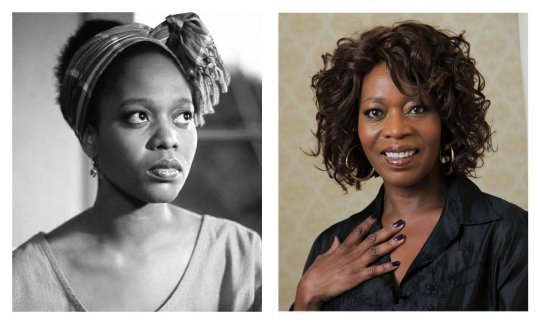
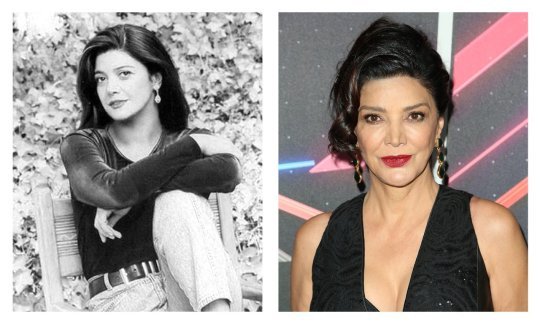
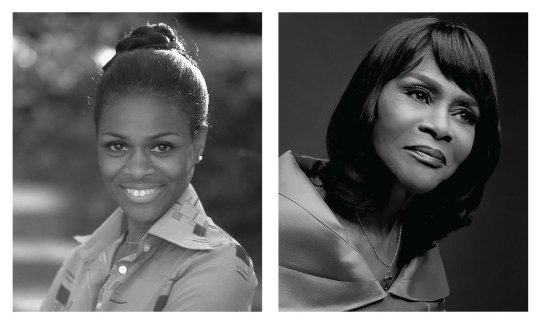
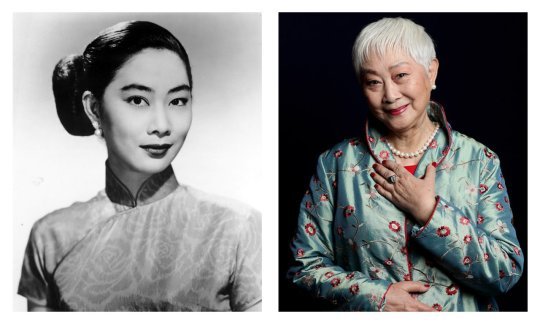
“40 is good, 50 is great, 60 is fab, and 70 is fucking awesome!” ~ Helen Mirren 💪🏻
missed some greats!
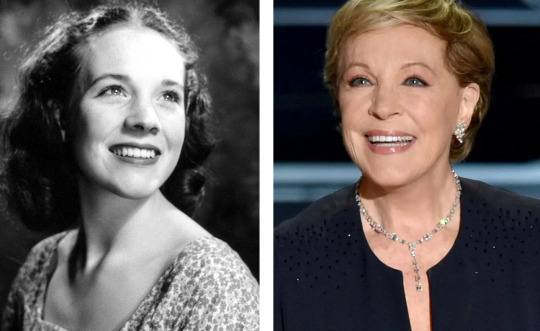
I can’t believe Julie Andrews is not on this list guys.
“It’s fucking outrageous. It’s ridiculous. And ’twas ever thus. We all watched James Bond as he got more and more geriatric, and his girlfriends got younger and younger. It’s so annoying.” – Helen Mirren on the bullshit that is (sexist) ageism (source)
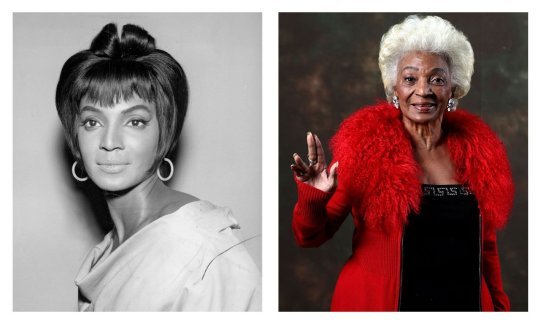
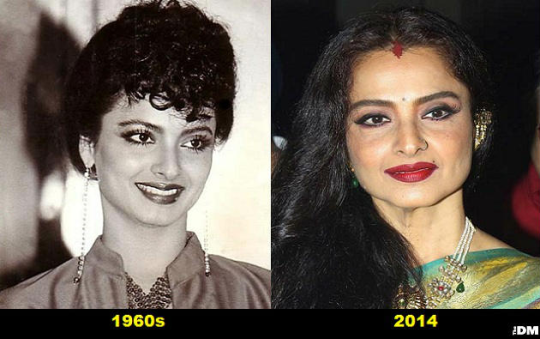
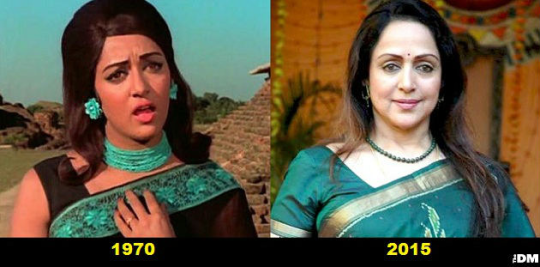
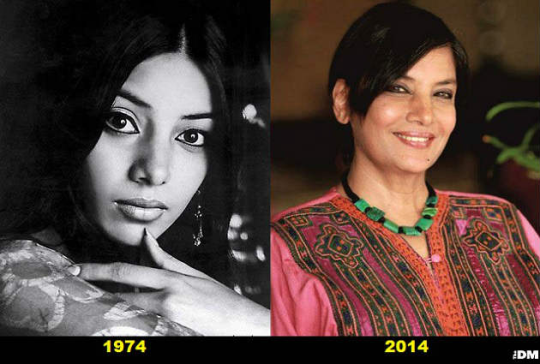
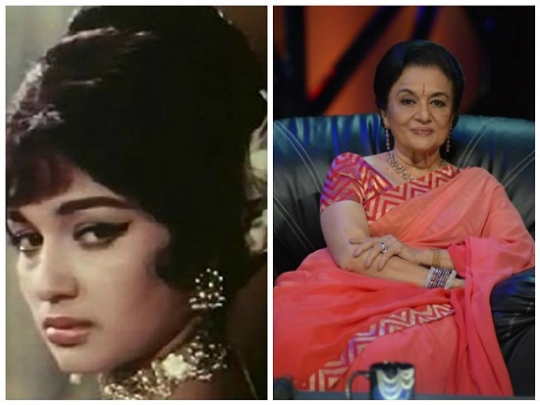
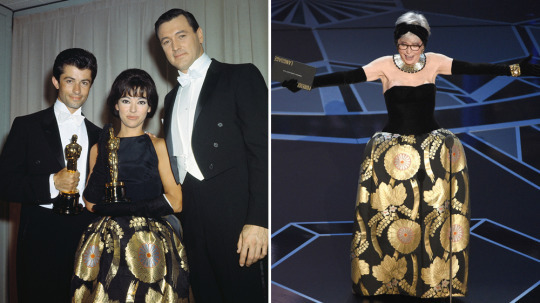
Whenever you need a positive role model to help you remember that aging is NATURAL, aging is BEAUTIFUL, there is NOTHING WRONG with aging, and if you’re LUCKY will you live long enough to experience it – look long and hard at every single one of these these Queens.
LOOK. AT. THEM.
Go ladies!
Might I add
Rekha
Hema Malini
Shabana Azmi
Asha Parekh
Rita Moreno
Many women have talked about how amazing life is after your 40s. Some have their happiest years in their 70s. We need to stop believing society when it tells us our lives are over when we reach 35.
idk what it is about kids these days that makes them so funny but in any case my friend just told us about how her younger sister babysits for a 7 and 9 yr old and one day they said they wanted to play “bus drivers” and they made wheels and everything but then the game was just being bus drivers at a union meeting discussing their problems












 Archive